
We work with our hands, shaping clay, cutting raw timber, or typing through hours of quiet focus. When the nervous system redlines, the tension is not abstract; we feel it settle directly into physical tissue. Our jaws clench, breath hitches in the high ribs, and the pulse taps hard against the throat. In these moments of autonomic friction, thinking our way into calm rarely works. We have to treat the human body much like an instrument shop, addressing the physical levers, the tension on the wires, and the temperature of the room to alter how the whole machine operates.
The vagus nerve serves as the primary transmission line between the viscera and the brain stem. It runs from the medulla oblongata through the neck, weaving across the heart, lungs, and stomach. When we bring deliberate, mechanical pressure to specific sensory receptors or introduce cold water to the skin of the face, we work directly upon this pathway. We do not need complicated gear or hours of isolation. We need clean water, a soft cloth, our own warm palms, and a clear understanding of the mechanical switches that slow the pulse and settle the blood.
The Vagal Path and the Autonomic Switchboard
To use somatic interventions with precision, we first look at the anatomical layout. The vagus nerve is the tenth cranial nerve, and roughly eighty percent of its fibers are afferent, meaning they send data upward from the organs to the brain, rather than top-down commands from the brain to the body. When our heart beats rapidly under acute pressure, the mind interprets that physical signal as danger, setting off a loop of vigilance. By changing peripheral inputs through temperature, sound, and pressure, we send an unmistakable signal upward through the vagal trunk that the immediate perimeter is safe.
The system operates across two primary operational zones within the parasympathetic branch, mapped in Stephen Porges' polyvagal model. The ventral vagal complex supports safety, slow vocalization, and resting attention, while the dorsal vagal complex governs defensive withdrawal or heavy stillness. Somatic touch and thermal shifts target the ventral branch. They interact directly with the sinoatrial node of the heart, dialing down beats per minute through acetylcholine release, which works as an internal brake pad against the sympathetic accelerator.
| Mechanism | Primary Receptor or Nerve Branch | Physiological Response |
|---|---|---|
| Thermal immersion | Trigeminal nerve (ophthalmic branch) | Triggers the mammalian dive reflex; slows heart rate |
| Firm torso pressure | Merkel cells and Ruffini endings | Increases parasympathetic tone; reduces circulating daily balance |
| Low-pitch humming | Recurrent laryngeal nerve | Vibrates pharyngeal tissues; lengthens exhalation cycle |
Working with these responses does not require heroic efforts. It requires small, consistent adjustments. If you live with structural cardiovascular conditions, severe bradycardia, or autonomic dysregulation disorders, speak directly with an occupational therapist, physical therapist, or medical clinician before testing intense cold exposure or deep pressure holds.
The Cold Face Splash: Triggering the Dive Reflex
The mammalian dive reflex is a survival sequence built into our biology. When air-breathing mammals submerge their faces in water cooler than ambient air, receptors along the ophthalmic and maxillary branches of the trigeminal nerve light up. This sends an urgent signal to the brain stem to conserve oxygen. The spleen contracts slightly, peripheral blood vessels in the fingers and toes narrow, and the vagus nerve releases acetylcholine at the sinoatrial node, pulling the pulse downward within six to twelve seconds.
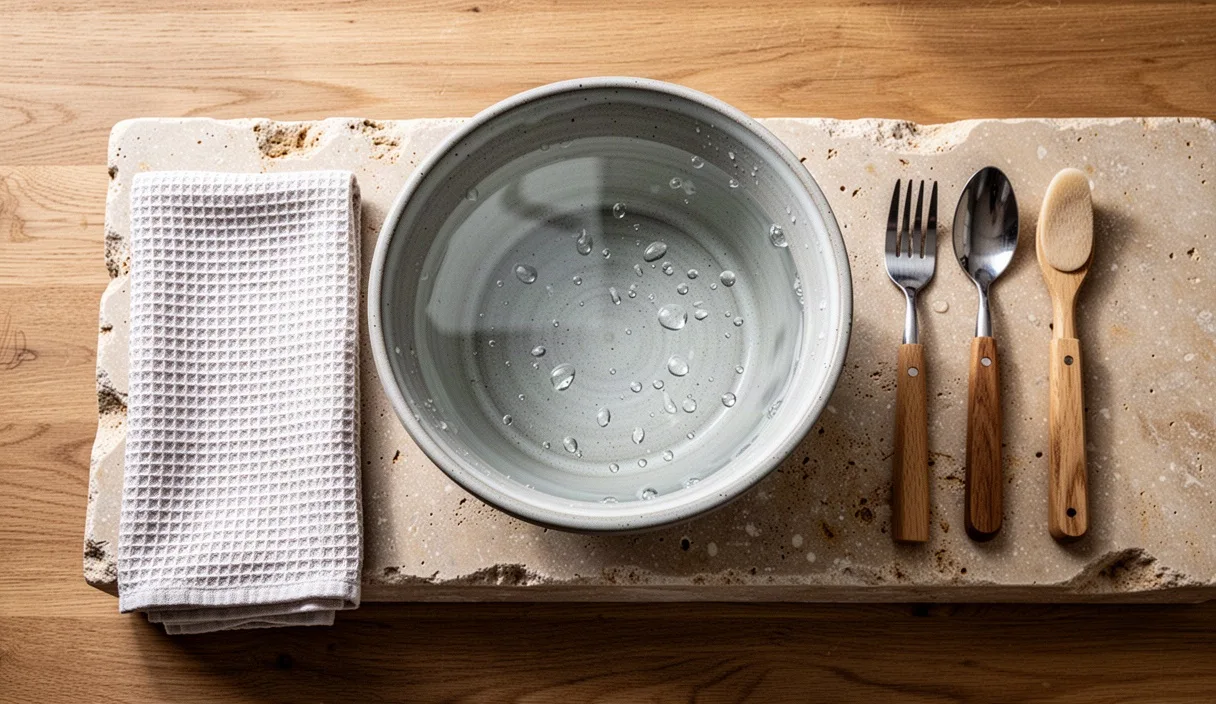
We do not need an ice bath or a whole-body plunge to engage this switchboard. A simple porcelain basin filled with tap water is sufficient. The sweet spot for water temperature rests between 10 and 15 degrees Celsius (roughly 50 to 59 degrees Fahrenheit). Water colder than this can cause uncomfortable shock or facial pain, which sparks a sympathetic startle reaction rather than a parasympathetic drop.
- Prepare the water: Fill a wide bowl with cold tap water. If the tap runs warm, drop in two ice cubes to bring the temperature down, then pull the cubes out so they do not press against bare skin.
- Set the posture: Stand with feet flat on the floor, hip-width apart. Bend at the waist to bring your face level with the basin. A bent posture helps activate vagal baroreceptors in the carotid sinuses.
- Inhale and hold: Take a quiet, natural breath through the nose, filling roughly two-thirds of your lung capacity. Avoid a maximal, gulping breath, which tightens the throat.
- Submerge the sensory zone: Lower your forehead, eyes, and the upper bridge of your nose into the water. Keep your mouth clear above or lightly closed. Hold the submersion for ten to fifteen seconds while staying physically limp.
- Surface and compress: Lift your face, reach for a heavy cotton towel, and press it firmly into your skin without rubbing. Let the air release slowly through pursed lips.
If full immersion is not possible at work or while traveling, soak a linen cloth in chilled water, fold it into a thick pad, and press it across your eyes, cheekbones, and upper temples for thirty seconds. The effect is slightly slower than immersion, but it touches the exact nerve zones needed to quiet a surging pulse.
Chest Compress and Self-Havening Touch
Touch is an ancient craft of communication. Under skin tissue, slow-adapting mechanoreceptors known as Ruffini endings and Pacinian corpuscles register pressure, shear, and friction. When we apply a slow, firm stroke down the arms or a heavy compress to the sternum, we mimic the deep somatic pressure that signals shelter and physical containment. This tactile input generates low-frequency delta waves in the brain, moderating the activity of the amygdala.
Havening practices, developed from somatic observations, use sweeping strokes over three specific zones: the lateral upper arms, the palms of the hands, and the forehead down across the jaw. These regions hold exceptionally high densities of tactile receptors wired to autonomic processing centers. The key is the velocity and weight of the stroke. Rapid rubbing generates heat and friction, which alerts the system; slow, weighted sweeping registers as steady safety.
Applying the Sternum Compress
Sit back in an upright wooden chair with your spine supported. Place your dominant hand directly flat over the middle of your breastbone, fingers spread wide to span the intercostal spaces. Rest your other hand directly on top of the first. Apply a gentle inward pressure, roughly the weight of an iron skillet resting on a butcher block. Close your eyes and allow the chest wall to expand against that steady, unyielding resistance on every inhalation. Hold this physical contact for ninety seconds without sliding the hands.
The Cross-Arm Sweep
Cross your forearms across your chest, placing your left palm on the top cap of your right shoulder, and your right palm on your left shoulder. Pull your hands slowly downward along the outer edge of your upper arms until you reach the bony point of the elbows. Lift your hands, return them to the shoulders, and repeat. Set your pace to roughly one full downward stroke every four seconds. Notice the texture of your shirt fabric or the warmth of your skin beneath your palms as you move.
Follow the arm sweep with the hand wash. Bring your palms together, lacing your fingers lightly, and rub the skin of the palms in a deliberate circle. Focus your sensory attention on the friction, the temperature of your skin, and the small bones of the hands moving against one another. This returns your attention to the concrete boundaries of your physical frame.
Pharyngeal Vibration Through Slow Humming
The vagus nerve splits as it travels through the neck, sending off the recurrent laryngeal branch to innervate the vocal cords, the soft palate, and the muscles of the pharynx. Because of this direct wiring, deliberate sound production acts as an internal acoustic massage for the vagal trunk. When we speak loudly, sharply, or from a high-pitched panic, we tighten the throat tissues. When we produce a low, resonant, closed-mouth tone, we vibrate the pharyngeal wall and mechanically stimulate the nerve from the inside out.
This technique relies on pitch, duration, and the ratio of inhale to exhale. The target is not performance or musicality; it is mechanical resonance. A low note creates tangible tactile vibration that you can feel with your fingertips placed lightly along the sides of the windpipe or on the bridge of the nose. By stretching the exhalation to double the length of the inhalation, we also allow the natural respiratory sinus arrhythmia to slow the cardiac rhythm.
- Unclench the oral cavity: Part your back molars by a few millimeters. Keep your lips closed lightly, without pressing or pursing them. Rest the tip of your tongue behind your top front teeth along the alveolar ridge.
- Take an unforced intake: Inhale through the nose for a count of four seconds, letting the belly and lower ribs soften and widen. Do not pull the shoulders upward toward the ears.
- Drop into a low drone: Produce an "mmm" sound at a comfortable, low frequency, roughly in the lower register of your natural speaking voice. Aim for an eight-second duration on the exhale.
- Locate the vibration: Place two fingertips on your collarbone. Adjust the pitch slightly higher or lower until you feel a buzzing resonance beneath your pads.
- Repeat for five cycles: Move through five continuous breath rounds, letting each exhalation taper off smoothly rather than cutting short with a sudden gasp.
If you find humming difficult or you sit in a shared room where audible sound is not practical, the gentle technique of "voiced swallowing" or slow, silent gargling with a small sip of room-temperature water stimulates the same pharyngeal muscle bands. Even swallowing saliva deliberately while keeping the neck long and relaxed activates these motor fibers.
Building a Three-Minute Sensory First-Aid Kit
When the nervous system enters an acute stress spike, cognitive processing slows down. Working memory shrinks, making it difficult to remember complex sequences. For this reason, we assemble these tools into an orderly, tactile sequence that can be executed in three minutes flat. Keep the components concrete, practical, and accessible within arm's reach of your desk, workbench, or kitchen counter.
Clear physical items make somatic interventions reliable. A dedicated small linen cloth, a smooth pocket stone, and an insulated tumbler of cold water provide immediate sensory anchors that require no preparation during an emergency.
| Time | Mechanical Action | Primary Sensory Focus |
|---|---|---|
| Minute 0:00 to 0:45 | Cold cloth press or basin immersion | Temperature transition, trigeminal reflex, cardiac slowing |
| Minute 0:45 to 1:45 | Cross-arm sweep and chest compress | Tactile pressure, skin friction, boundary grounding |
| Minute 1:45 to 3:00 | Low resonant humming (6 cycles) | Internal throat vibration, extended exhalation, vocal tract ease |
To run this three-minute protocol, begin with the cold water to apply the physiological brake immediately. Once the rapid pulse eases, transition your posture to an upright, supported seat and apply the cross-arm sweep to reassure the mechanoreceptors on the skin of the upper body. Finish the sequence by humming low to lengthen the out-breath and stabilize the throat tissues. When you conclude, sit unmoving for ten seconds before returning to your work, allowing the autonomic shifts to settle into your motor baseline.
Common Mistakes
Working with somatic levers requires restraint. Applying excessive force, extreme temperatures, or rigid expectations can easily cause the opposite of the intended response, driving the nervous system into deeper defensiveness.
- Freezing the water excessively: Using freezing slush or direct ice packs on bare facial skin can trigger pain pathways. The body treats intense pain as a threat, counteracting vagal deceleration with a jolt of adrenaline. Keep the water cool, not punishing.
- Rushing the strokes: Stroking the arms or hands with frantic speed acts as an excitatory stimulus. The touch must be slow, measured, and weighted, taking several deliberate seconds to travel from shoulder to elbow.
- Gulping air before humming: Taking deep, expansive breaths into the upper chest prior to vocalizing locks the diaphragm and elevates heart rate. Breathe smoothly through the belly, taking in only what is comfortable.
- Hyper-focusing on immediate outcomes: Checking your pulse every ten seconds creates performance pressure. Somatic tools change mechanical inputs; let the body's internal feedback loops respond on their own time without constant testing.
Practical Next Steps
Do not wait for a full autonomic storm to test these techniques for the first time. In our workshops, we test our joints, our wood glues, and our sharpening stones during quiet hours so that the tools work instinctively when high-stakes work begins. The nervous system learns through neutral repetition.
Tomorrow morning, after your shower or while washing your hands at the sink, test the cold water splash for ten seconds. Feel the drop in heart rate while your mind is clear and unstressed. Later in the afternoon, during a natural pause between projects, practice three cycles of low humming while your hands rest flat across your sternum. Note the exact pitch that produces the strongest buzz against your palms.
Set a small stoneware bowl or a clean glass tumbler by your workspace alongside a dedicated cloth. Treat these physical objects as your diagnostic and regulatory kit. By practicing when calm, you map the neural territory, ensuring that when pressure mounts, your hands know exactly where to rest, the water is ready, and your body remembers how to find its center.